

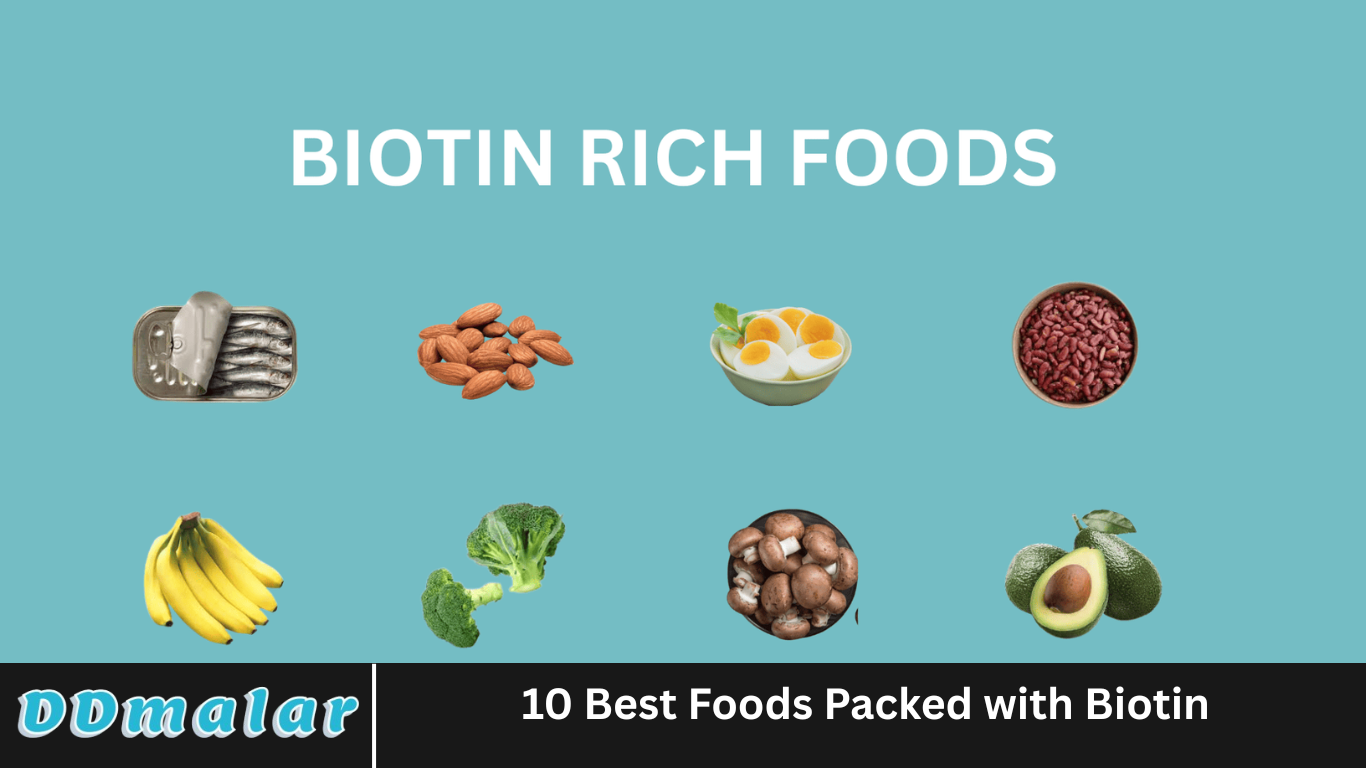
Biotin, also known as vitamin B7 or vitamin H, is an essential water-soluble B vitamin that plays a vital role in maintaining healthy skin, hair, nails, and metabolism. Although our bodies need only a small amount of biotin daily, a deficiency can lead to brittle nails, thinning hair, and even neurological symptoms.
Biotin, also known as vitamin B7, is a powerhouse nutrient your body needs in small but essential amounts. It plays a crucial role in energy metabolism and supports the health of your hair, skin, and nails. In this article, we’ll explore the top 10 foods packed with biotin and how they can fit seamlessly into your daily diet.
This article will explore the 10 best foods packed with biotin, their health benefits, how much biotin they contain, and creative ways to incorporate them into your diet. Whether you’re trying to boost your hair growth or support overall wellness, these biotin-rich foods deserve a spot on your plate.
More Read: This Upgrade Will Make the Nintendo Switch 2 More Expensive
Eggs (Especially Yolks)
Egg yolks are one of the most concentrated sources of biotin. One cooked egg provides about 10 mcg of biotin, which is approximately 33% of the recommended daily intake.
- Benefits: Eggs are also high in protein, healthy fats, vitamin D, and choline. These nutrients work together to support skin repair, muscle building, and brain health.
- How to Enjoy: Boiled, scrambled, poached, or as part of a veggie-packed omelet.
Note: Always cook eggs to avoid the risk of avidin (a protein in raw egg whites) binding to biotin and preventing its absorption.
Almonds
Almonds are not just great for snacking; they’re also a strong source of biotin. A quarter cup of almonds contains around 1.5 mcg of biotin.
- Benefits: Rich in vitamin E, magnesium, and fiber, almonds promote heart health and help stabilize blood sugar levels.
- How to Enjoy: Eat them raw, roasted, or added to smoothies, oatmeal, or homemade energy bars.
Sweet Potatoes
Sweet potatoes provide about 2.4 mcg of biotin per 1/2 cup cooked.
- Benefits: High in beta-carotene, which the body converts into vitamin A, sweet potatoes also support eye health and immune function.
- How to Enjoy: Baked as fries, mashed with herbs, or added to soups and casseroles.
Sunflower Seeds
Sunflower seeds offer approximately 2.6 mcg of biotin per 1/4 cup.
- Benefits: They are loaded with vitamin E, selenium, and healthy fats, which combat inflammation and oxidative stress.
- How to Enjoy: Add to salads, yogurt, trail mix, or sprinkle over smoothie bowls.
Liver (Beef or Chicken)
Organ meats like liver are among the richest sources of biotin. A 3-ounce serving of cooked beef liver contains about 30.8 mcg of biotin, exceeding the daily requirement.
- Benefits: Liver is nutrient-dense, offering iron, vitamin A, and B vitamins essential for energy production and detoxification.
- How to Enjoy: Sautéed with onions, made into liver pate, or incorporated into traditional dishes.
Spinach
This leafy green provides around 0.5 mcg of biotin per 1/2 cup cooked.
- Benefits: Spinach is rich in folate, iron, and antioxidants like lutein and zeaxanthin, which support eye and brain health.
- How to Enjoy: Use in smoothies, omelets, salads, or sauté with garlic as a side dish.
Salmon
A 3-ounce cooked portion of salmon contains around 5 mcg of biotin.
- Benefits: Besides biotin, salmon is an excellent source of omega-3 fatty acids, vitamin D, and protein, all of which promote skin elasticity and heart health.
- How to Enjoy: Grilled, baked, or pan-seared with herbs and lemon.
Bananas
One medium banana contains about 0.2 to 0.4 mcg of biotin.
- Benefits: Bananas are high in potassium and vitamin B6, supporting nerve function and energy metabolism.
- How to Enjoy: Eaten alone, sliced on toast, blended into smoothies, or mashed into muffins.
Mushrooms (Especially White Button)
A 1/2 cup serving of canned mushrooms can offer up to 2.6 mcg of biotin.
- Benefits: Mushrooms are low in calories and rich in antioxidants, copper, and selenium.
- How to Enjoy: Stir-fried, grilled, added to pastas, risottos, or veggie burgers.
Avocados
One whole avocado may contain up to 2-6 mcg of biotin, making it one of the top plant-based sources.
- Benefits: Packed with heart-healthy monounsaturated fats, folate, and fiber, avocados support skin hydration and cardiovascular health.
- How to Enjoy: On toast, in salads, as guacamole, or blended into smoothies for creaminess.
How Much Biotin Do You Need?
The recommended daily intake for biotin varies by age and health status, but in general:
- Adults: 30 mcg/day
- Pregnant women: 30 mcg/day
- Breastfeeding women: 35 mcg/day
- Children: Ranges from 5 to 25 mcg/day depending on age
A well-balanced diet typically provides enough biotin for most people. However, supplementation may be necessary in cases of deficiency.
Tips for Maximizing Biotin Absorption
- Cook Eggs Thoroughly: Raw egg whites contain avidin, which binds to biotin.
- Avoid Highly Processed Foods: These often lack natural biotin and can affect nutrient absorption.
- Stay Hydrated: Water helps transport nutrients like biotin to your cells.
- Eat a Diverse Diet: Include both animal and plant sources for optimal intake.
Signs of Biotin Deficiency
- Although rare, a deficiency in biotin can result in:
- Thinning hair or hair loss
- Brittle nails
- Skin rashes (especially around the mouth and eyes)
- Fatigue
- Mood changes or depression
Neurological issues like tingling in hands and feet
Frequently Asked Question
Can you get enough biotin from food alone?
Yes. Most people can meet their biotin needs through a varied, nutrient-rich diet without supplementation.
What are the symptoms of too much biotin?
Biotin is water-soluble, so excess amounts are typically excreted. However, very high doses may interfere with lab tests, including thyroid and hormone panels.
Is biotin good for hair growth?
Biotin is commonly promoted for hair health. While deficiency can cause hair loss, supplementing beyond normal levels doesn’t always result in noticeable hair growth in healthy individuals.
Are there any side effects to biotin supplements?
Most people tolerate biotin supplements well, but large doses can cause skin rashes, digestive upset, or interact with medications.
Is biotin safe during pregnancy?
Yes, and it’s important. Pregnant women need slightly more biotin and should ensure they meet the RDA through diet or prenatal vitamins.
How can vegans get enough biotin?
Plant-based sources like nuts, seeds, sweet potatoes, avocados, and mushrooms are excellent options for vegans.
Can biotin help with brittle nails?
Yes. Several studies have shown that biotin supplementation may help improve nail strength and reduce brittleness in people with weak nails.
Conclusion
Biotin is an essential vitamin that plays a central role in maintaining beauty and wellness from within. From eggs and almonds to mushrooms and avocados, these 10 biotin-rich foods provide a natural, tasty way to ensure your body gets the nourishment it needs. Including a variety of these foods in your daily diet can help support healthy hair, skin, nails, and metabolic function without the need for expensive supplements. Prioritize whole foods, balance your meals, and your body will thank you from the inside out.